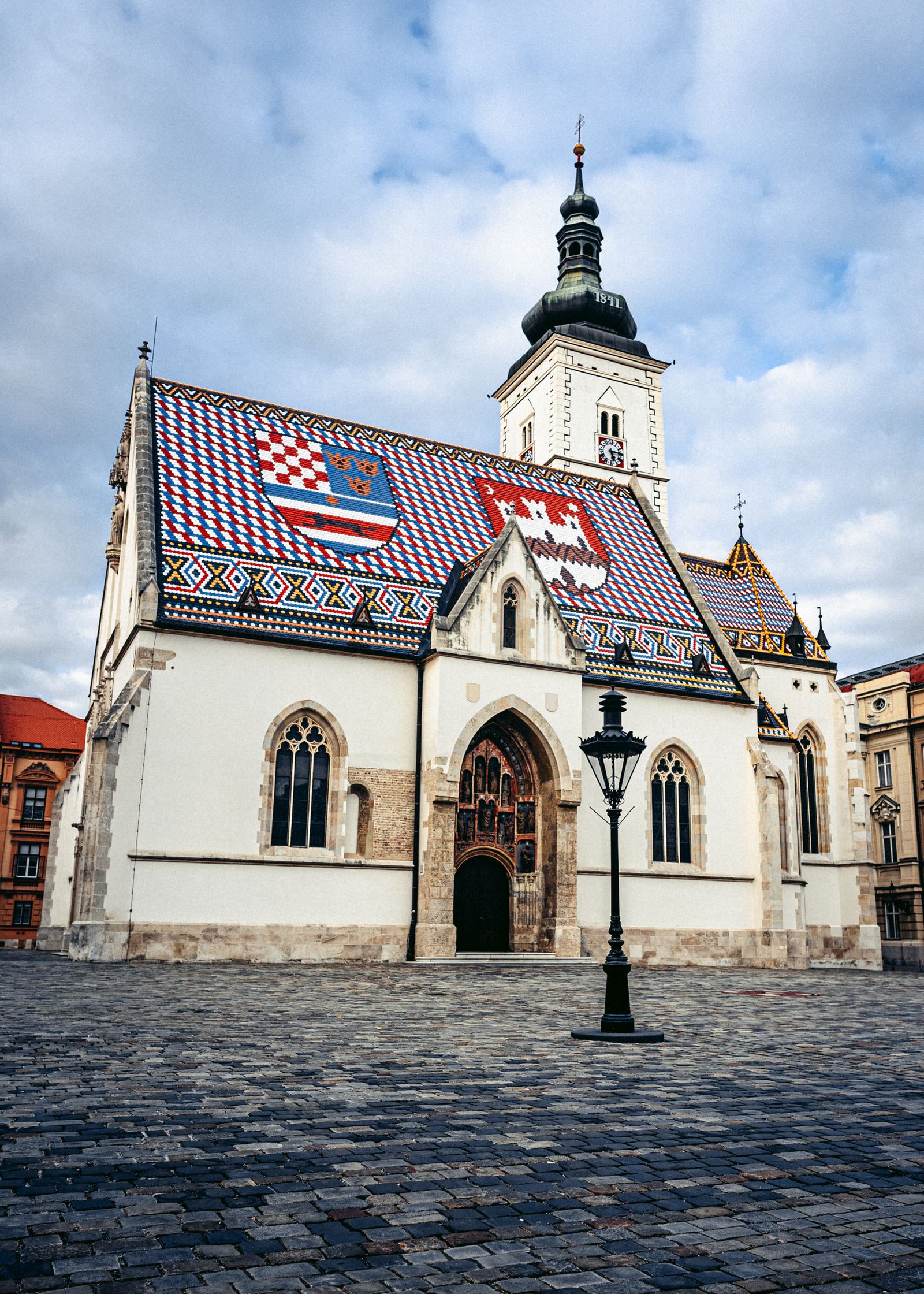
Upper Town
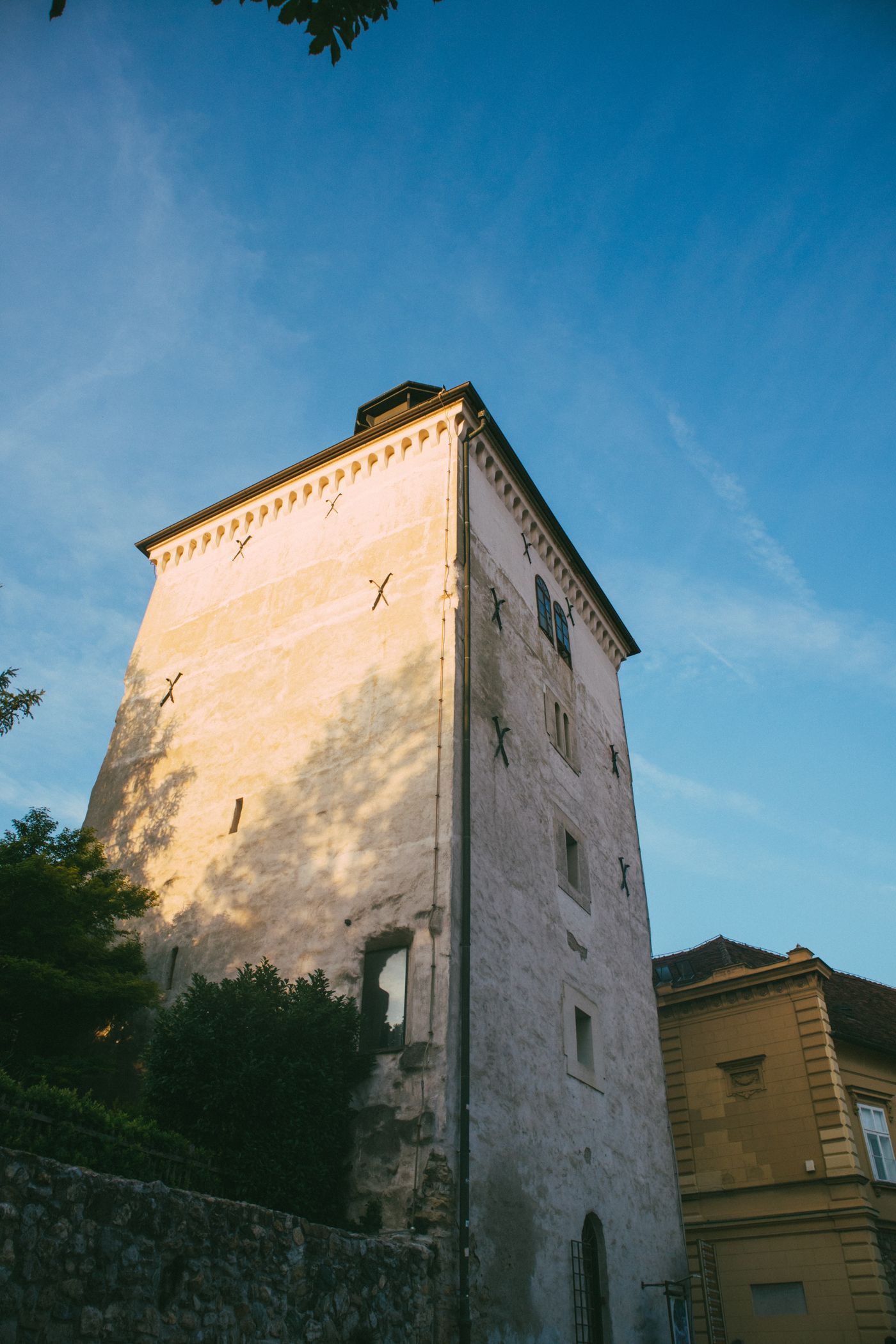
Stone Gate, St. Mark’s Square, Lotrščak and lanes where Zagreb’s civic story is still visible.
Old roofs, green promenades, market mornings and coffee measured in conversation — Zagreb rewards the traveller who slows down.
The Croatian capital makes its strongest impression between landmarks: on the climb from Ilica toward Gradec, under the red umbrellas of Dolac, along the parks of the Green Horseshoe, or over a coffee that quietly becomes part of the afternoon. The city is Central European in structure, unmistakably Croatian in temperament, and intimate enough to understand on foot.
Start with the medieval dialogue between Gradec and Kaptol, then let the city widen. Donji Grad brings museums, cafés and gracious façades; Maksimir opens into green space; Medvednica rises behind the skyline. Beyond the tram lines, Zagreb County turns the capital into a gateway to Samobor, Plešivica, Žumberak and a landscape of vineyards, forests and small-town tables.
Not “must-sees” — four lenses that make the city legible.
Stone Gate, St. Mark’s Square, Lotrščak and lanes where Zagreb’s civic story is still visible.
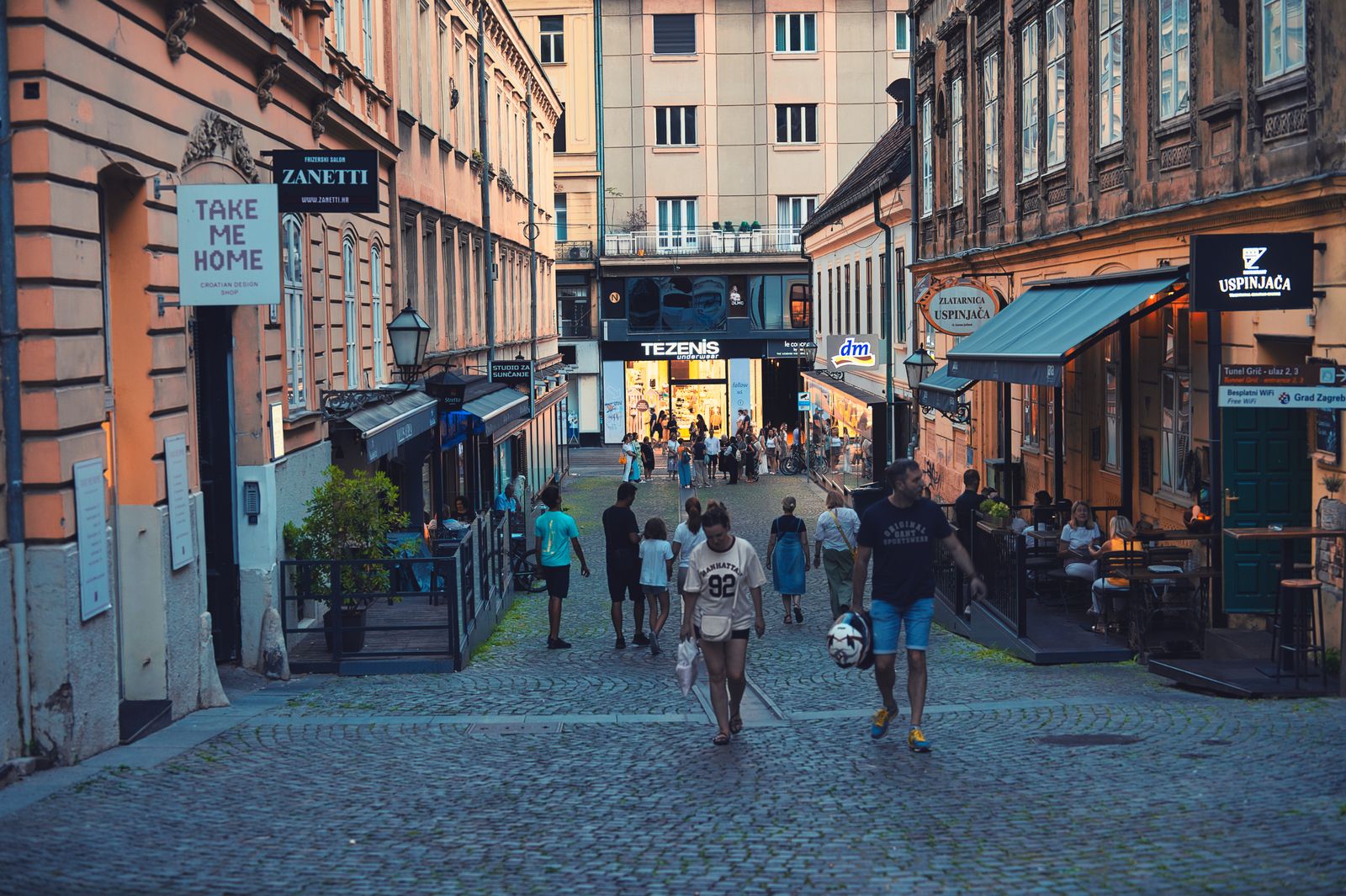
Dolac, Tkalčićeva, Ban Jelačić Square and the everyday choreography of markets, terraces and trams.
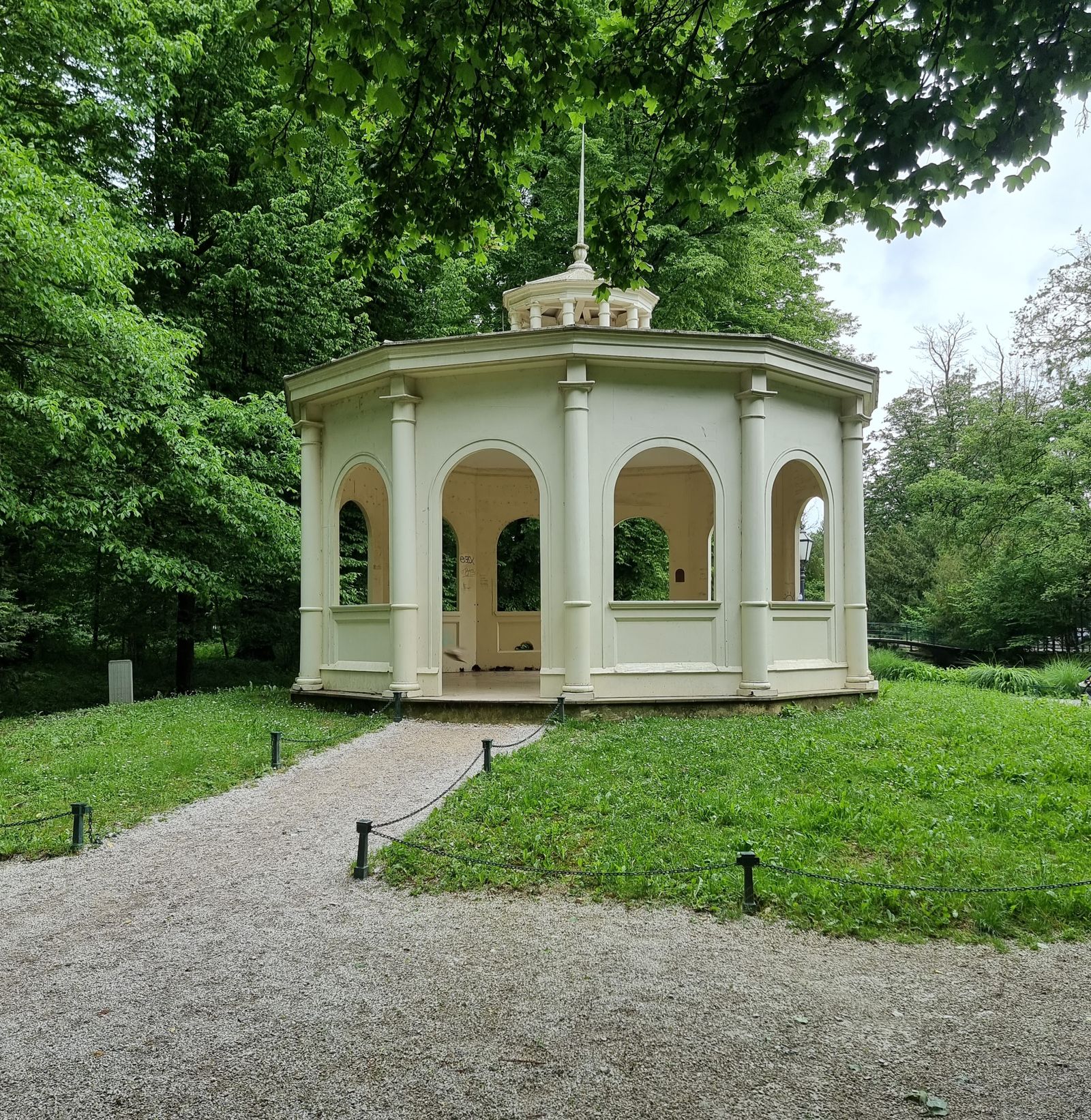
Maksimir, the Lenuci parks, Mirogoj and the forested climb toward Medvednica and Sljeme.
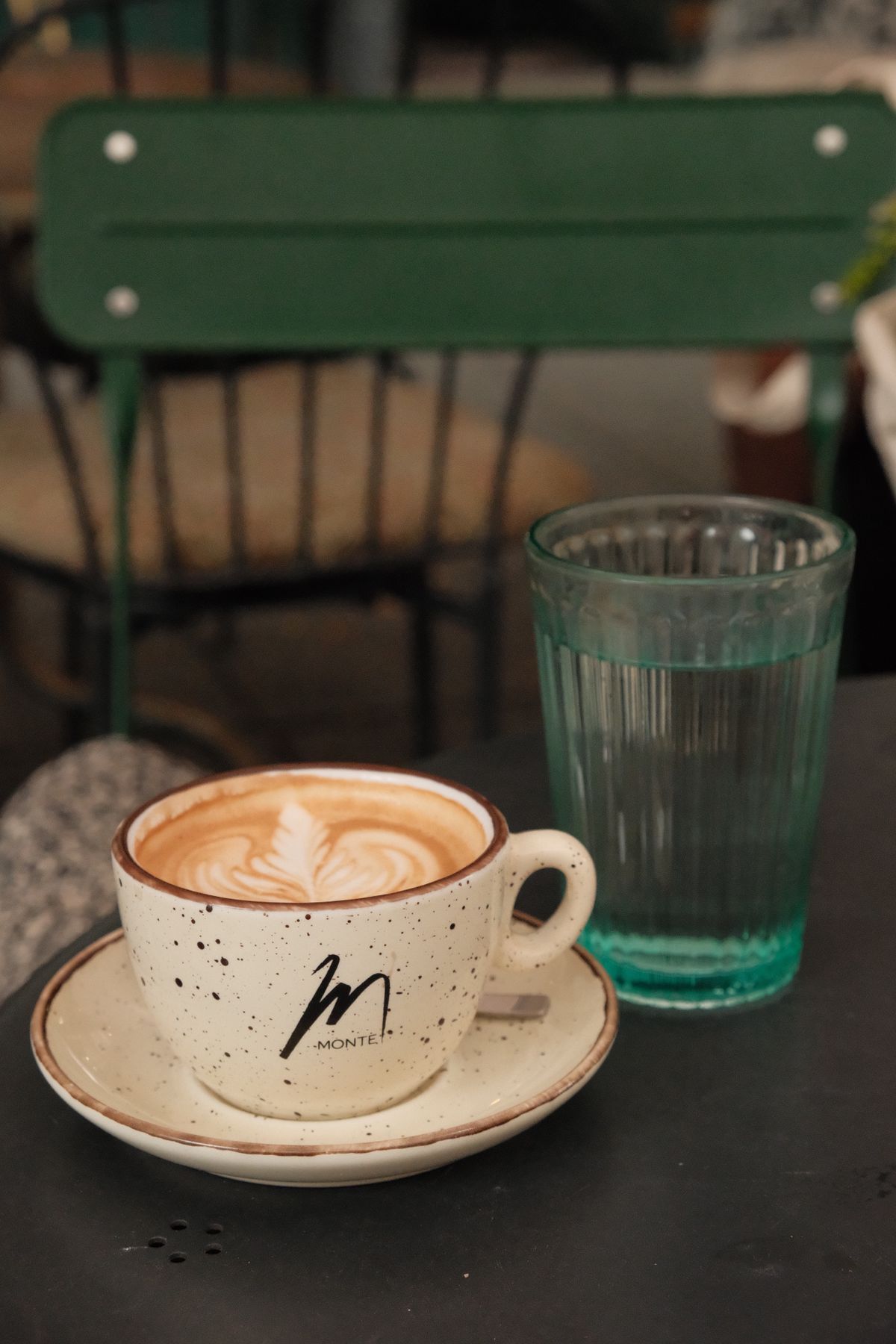
Here coffee is rarely a transaction. It is a place to meet, watch the street and let the city come to you.
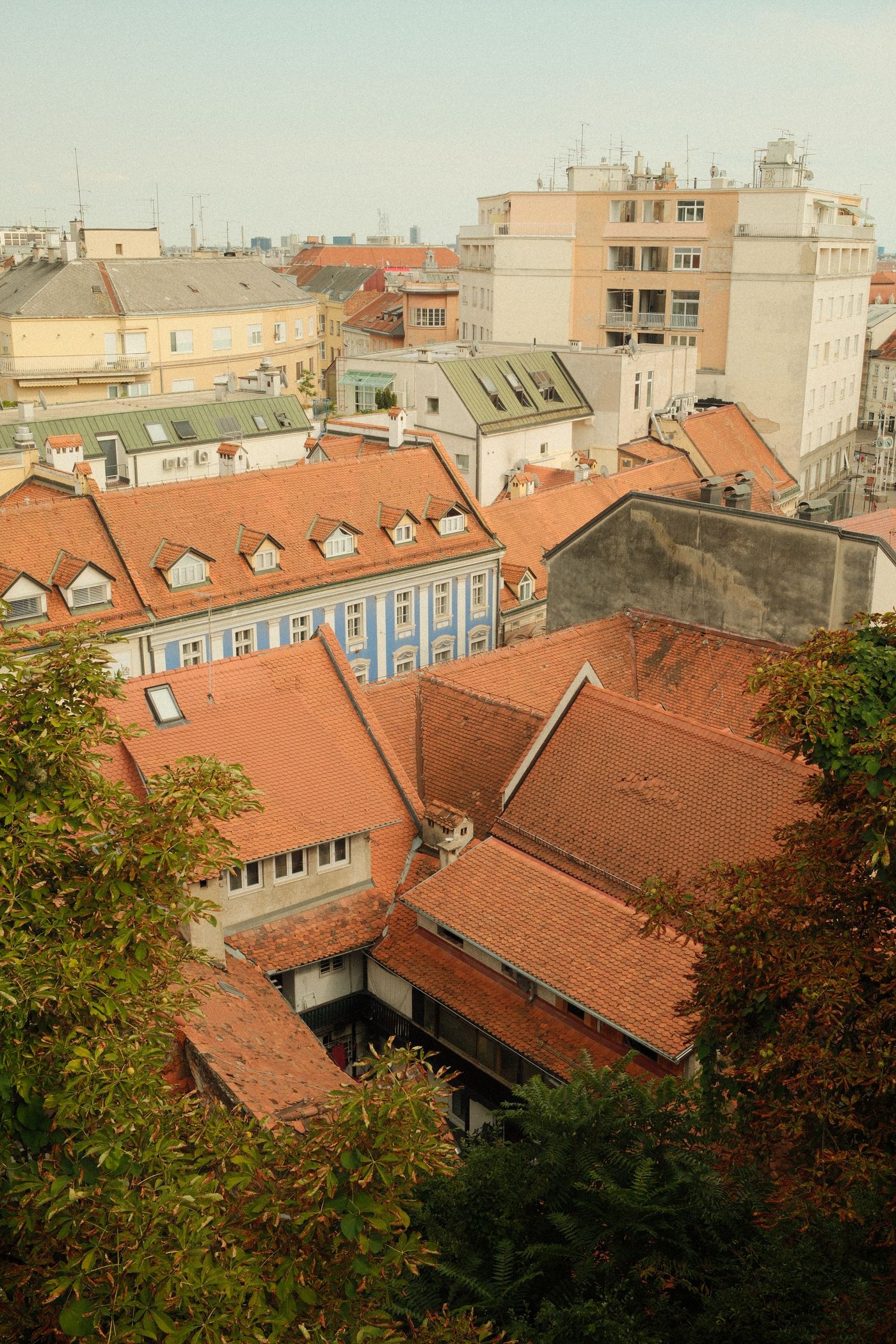
Zagreb’s character comes from contrast. Gornji Grad is textured, elevated and ceremonial; Donji Grad is broader, more cosmopolitan and stitched together by parks, culture and street life. The distance between them is measured in minutes, yet the mood changes with every staircase.
The best days move between these registers instead of trying to conquer them. Take the funicular when it suits you; walk the steps when the weather invites it. Browse a museum, then sit outside. Let Dolac shape lunch. Save enough daylight for a park — and enough evening for the city to become conversational.
A compact route that leaves room for discovery rather than squeezing the city into a schedule.
Start early around Kaptol and Dolac, then climb through the Stone Gate into Gradec before the lanes become busier.
Move downhill through Strossmayer Promenade and the Lower Town. Follow the Green Horseshoe, choosing one museum rather than five.
Let Zagreb be local: coffee, a neighbourhood walk, then Maksimir or Mirogoj for a slower change of scale.
Choose your extension: Medvednica for forest and views, or cross the city boundary toward Samobor and Plešivica.
Zagreb County wraps around the city with baroque towns, vineyard hills, forest trails and some of Croatia’s most interesting sparkling-wine country. Samobor is the classic first escape; Plešivica turns a long lunch into a landscape; Žumberak rewards slower itineraries. Use Zagreb as a base, but do not confuse the city limits with the end of the destination.
Explore Zagreb County ↗Zagreb changes character with the weather; the strongest itinerary follows the season rather than fighting it.
Parks wake up, terraces expand and the city is made for long walks between neighbourhoods.
Move early, pause in shaded courtyards and finish the day outside, when the Upper Town softens into evening.
Markets, wine country and tree-lined streets give Zagreb a richer, slower palette.
Cafés, museums and festive streets make the city feel compact, social and quietly theatrical.
Why the climbs between Ilica and Gradec are among Zagreb’s best introductions.
A market morning of red umbrellas, seasonal produce and the rituals surrounding the city’s table.
How to turn a city break into vineyards, sparkling wine and a long lunch in the hills.
Two full days give the historic centre, Lower Town and a meaningful taste of local life. Three days are better if you want Medvednica or a Zagreb County excursion.
Yes in the city. The central districts are walkable and the tram network covers longer urban distances. A car or arranged transfer becomes more useful for rural wine-country itineraries.
Upper Town, Dolac, the Lower Town parks, one or two cultural institutions, a long coffee, and at least one green space. Zagreb is stronger when you leave margins in the day.
For a short extension, Zagreb County is the strongest match: Samobor for heritage and pastry, Plešivica for vineyards and sparkling wine, and Žumberak for nature.
Explore Zagreb is conceived as the capital-city gateway inside a broader independent destination network — from the green ring around Zagreb to Croatia as a whole, with a more curated layer through Adriatic Ritual.